

How Regular Tanker Services Help Prevent Costly Cesspit and Septic Tank Emergencies
If your property relies on a cesspit or septic tank, regular maintenance is essential. Unlike…
Read more
24 hr Emergency Callout

Blog
A blocked shower drain is one of the most common plumbing problems in UK homes, especially across Sussex, where a mix of older pipework and modern systems often leads to recurring drainage issues. Whether you are dealing with slow-draining water, standing puddles, or unpleasant smells, a blocked shower can quickly disrupt your daily routine.
Many homeowners search for how to unblock a shower drain problem themselves before calling a professional. While some minor blockages can be cleared with simple methods, others point to deeper issues within your drainage system.
Ignoring the problem can lead to:
In this guide, we explain exactly how to unclog a shower drain safely, what causes the issue, when DIY works, and when it is best to call in professionals like Coastal Drains.
Understanding the cause is the first step to choosing the right solution. In most Sussex homes, blocked shower drains develop gradually rather than suddenly.
The most common causes include:
Hair is the leading cause of a blocked shower drain. It binds with soap and forms thick clumps that restrict water flow.
Soap reacts with minerals in hard water, creating a sticky residue that coats pipes and narrows the flow.
Many parts of the UK experience hard water. Over time, mineral deposits reduce the pipe diameter and slow drainage.
Shampoos, conditioners, and body oils can solidify inside pipes, especially in cooler temperatures.
Small items such as bottle caps or broken plastic pieces can accidentally fall into the drain and cause blockages.
In older Sussex properties, problems such as cracked pipes or root intrusion may cause repeated blockages. In these cases, a professional inspection using CCTV surveys becomes essential to identify the root cause.
Homes across Sussex often experience drainage issues due to a combination of environmental and structural factors.
These include:
Many homeowners only address the surface issue without realising that recurring blockages may require deeper investigation, such as a comprehensive drain inspection service, to prevent repeated problems.
Catching a blocked shower early can save time, money, and stress. Look out for these common signs:
If you notice more than one of these signs, your shower drain blockage issue is likely getting worse and should be addressed quickly.
If the blockage is minor, you can often fix it using simple DIY methods. Here are the most effective ways to unblock shower drain problems safely.
This is one of the safest and most popular natural solutions.
Steps:
This method works well for soap scum and light hair build-up.
Hot water can break down grease and soap residue.
Steps:
This is best used as a weekly maintenance step rather than a full solution.
A plunger can help dislodge stubborn clogs.
Steps:
Sometimes the simplest solution is the most effective.
Steps:
This method is quick and often resolves common blockages.
For deeper clogs, a simple tool can reach further into the pipe.
Steps:
Chemical cleaners can work, but should be used with caution.
Important points:
For persistent issues, relying on chemicals is not a long-term solution.
Many homeowners try DIY first, which is fine for minor problems. However, knowing when to stop is important.
In such cases, services like emergency drain unblocking can quickly resolve the issue and prevent further damage.
A blocked shower drain may seem minor, but it can quickly escalate.
Call a professional if you notice:
These signs often indicate a deeper issue within the drainage system. In urgent cases, a 24/7 emergency drain service ensures the problem is dealt with before it worsens.
When DIY methods fail, professionals use specialised tools and techniques to fully clear the blockage.
This method uses powerful jets to remove grease, debris, and build-up from pipes.
A camera is inserted into the drain to identify hidden problems such as cracks or root intrusion.
Used to break apart stubborn clogs deep within the system.
If the pipe is damaged, repairs may be required to prevent future issues. In severe cases, sewer pipe repair services may be necessary.
Professional solutions do more than just clear the blockage. They ensure the problem does not return.
Costs vary depending on the severity of the problem.
Typical price ranges include:
While DIY may seem cheaper, repeated attempts can lead to higher costs if the underlying issue is not fixed.
Many homeowners unknowingly make the problem worse. Avoid these common mistakes:
A small blockage can quickly turn into a major repair if not handled correctly.
Prevention is always better than repair. Simple habits can keep your drains running smoothly.
This is one of the most effective ways to prevent hair from entering the drain.
Helps break down soap and grease build-up.
Remove visible debris before it builds up.
Even small amounts can solidify and cause blockages.
Professional checks can detect early problems before they become serious.
A homeowner experienced a blocked shower due to hair and soap build-up. A simple DIY clean resolved the issue, and a hair trap prevented future problems.
Recurring blockages led to a professional inspection. A collapsed pipe was found and repaired, restoring full drainage.
These examples show that while some problems are simple, others require expert attention.
Common signs include slow drainage, standing water, bad smells, and gurgling noises.
Natural solutions like baking soda and vinegar are safest for regular use. For tougher clogs, professional equipment is more effective.
Yes, for minor blockages. However, persistent problems usually need professional tools and expertise.
A weekly rinse with hot water and monthly cleaning helps prevent build-up.
If the blockage keeps returning, drains multiple fixtures, or causes strong odours, professional help is recommended.
Learning how to unblock shower drain issues can help you deal with minor problems quickly and keep your home running smoothly. Simple DIY methods are often enough for early blockages, especially when caused by hair or soap residue.
However, if the problem keeps coming back or worsens over time, it is usually a sign of a deeper issue within your drainage system. Acting early can prevent costly repairs and serious damage.If your blocked shower persists or you need expert advice, the team at Coastal Drains is ready to help with reliable, professional solutions across Sussex.

If your property relies on a cesspit or septic tank, regular maintenance is essential. Unlike…
Read more
A blocked or damaged sewer connection often demands immediate attention, but fixing the immediate problem…
Read more
Planning a home extension, building a new property, or carrying out major renovations involves much…
Read more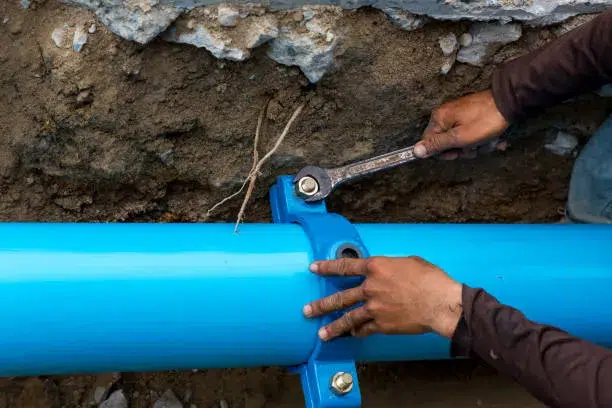
A failing main sewer connection rarely starts with a dramatic flood. In most cases, it…
Read more