

How Regular Tanker Services Help Prevent Costly Cesspit and Septic Tank Emergencies
If your property relies on a cesspit or septic tank, regular maintenance is essential. Unlike…
Read more
24 hr Emergency Callout

Blog
An outside drain blocked with fat is one of the most common and damaging drainage problems faced by UK households and businesses. Whether it originates from a domestic kitchen or a commercial food environment, fat, oil, and grease entering drainage systems can quickly escalate from a minor inconvenience into a serious plumbing emergency.
When warm fats are washed down the sink, they appear harmless. However, as they travel through pipes and cool, they solidify and cling to the pipe walls. Over time, these deposits accumulate, trapping food debris and waste, eventually forming large obstructions often referred to as fatbergs. These blockages restrict water flow, place excessive pressure on pipework, and can lead to external flooding, sewer damage, and costly repairs.
Across Sussex and surrounding areas, drainage engineers frequently attend callouts where fat blockages have caused cracked pipes, collapsed drains, and contamination risks. In severe cases, untreated fat build-up contributes to damage within public sewer systems, requiring urgent intervention.
Understanding how to safely clear an outside drain blocked with fat and knowing when professional help is required is essential for protecting your property and avoiding unnecessary expense.
Error: Contact form not found.
Fat-related blockages rarely occur overnight. They develop gradually due to repeated everyday habits, including:
Once fat begins to build up, it attracts food particles, soap scum, and organic waste. In colder weather, the problem worsens as fats harden more quickly, increasing the risk of complete blockage.
Outside drains are particularly vulnerable because they carry waste away from the property and into underground systems, where blockages are harder to detect without specialist equipment such as CCTV drain surveys.
Recognising the early symptoms of a fat-related blockage can prevent extensive damage. Common warning signs include:
If left untreated, these signs can quickly escalate into flooding, contamination risks, and structural pipe damage requiring professional drain repairs.
Some minor fat blockages can be addressed safely using DIY methods. However, these should only be attempted if the issue is mild and drainage has not completely failed.

Boiling water can help break down small, recent fat deposits before they harden fully.
This method works best as a first step and a preventative measure. It is less effective on established blockages and unsuitable for fragile pipework.

Caustic soda (sodium hydroxide) reacts chemically with grease and can help dissolve fat build-up.
This method should be used sparingly, as misuse can damage pipes and pose safety risks. It is not recommended for repeated use or older drainage systems.

Drain cleaners contain chemical compounds designed to break down grease and organic waste.
While convenient, drain cleaners rarely remove the full blockage and may only provide temporary relief. Overuse can weaken pipe materials over time.

Mechanical clearing methods physically break up fat deposits.
This method can be effective, but it may push fat further into the system if not done correctly. Professional-grade equipment is far more reliable.

When DIY methods fail or blockages persist, professional intervention is essential.
Drainage specialists use advanced solutions such as drain jetting, which applies high-pressure water to completely remove grease, debris, and residue from pipe walls.
For complex cases, engineers may conduct drain inspection services to assess the extent of the blockage and identify underlying damage.
Professional drain jetting is widely regarded as the most effective method for clearing fat blockages.
Benefits include:
Unlike chemical treatments, drain jetting cleans the entire pipe circumference rather than creating a narrow channel through the blockage.
In cases where fat has caused structural damage, engineers may recommend targeted sewer pipe repair to restore system integrity.
Prevention is always more cost-effective than repair. Adopting good drainage habits significantly reduces the risk of future blockages.
Commercial premises should implement grease management systems and regular inspections to comply with hygiene and environmental standards.
Some situations require immediate professional attention, including:
In these cases, emergency services such as emergency drain unblocking can prevent further damage and health risks.
CCTV surveys allow engineers to inspect drains internally without excavation.
Using CCTV drain surveys, professionals can:
This approach ensures the correct fix is applied, avoiding unnecessary costs.
Drainage systems vary depending on location, pipe age, and infrastructure. Local knowledge is vital when dealing with recurring fat blockages in Sussex and the surrounding areas.
Working with experienced professionals familiar with regional drainage layouts ensures faster diagnosis, safer repairs, and longer-lasting results.
An outside drain blocked with fat should never be ignored. While minor issues can sometimes be addressed with safe DIY methods, recurring or severe blockages require professional expertise.
Prompt action prevents costly damage, protects pipe infrastructure, and ensures your drainage system continues to operate efficiently.If fat blockages persist or you are unsure of the cause, the safest solution is to seek professional assistance. For expert advice or a tailored solution, contact Coastal Drains today.
If your property relies on a cesspit or septic tank, regular maintenance is essential. Unlike…
Read more
A blocked or damaged sewer connection often demands immediate attention, but fixing the immediate problem…
Read more
Planning a home extension, building a new property, or carrying out major renovations involves much…
Read more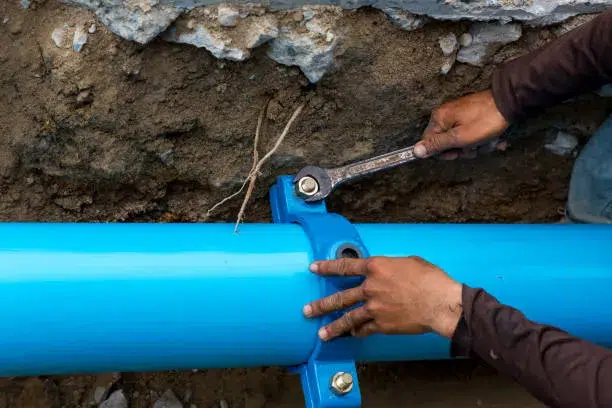
A failing main sewer connection rarely starts with a dramatic flood. In most cases, it…
Read more